
Renter-Friendly Decorating Ideas: How to Decorate a Rental Without Renovating
Renter-friendly decorating ideas that leave no marks: what to check in your lease, removable fixes, where to start on any budget and a checklist.
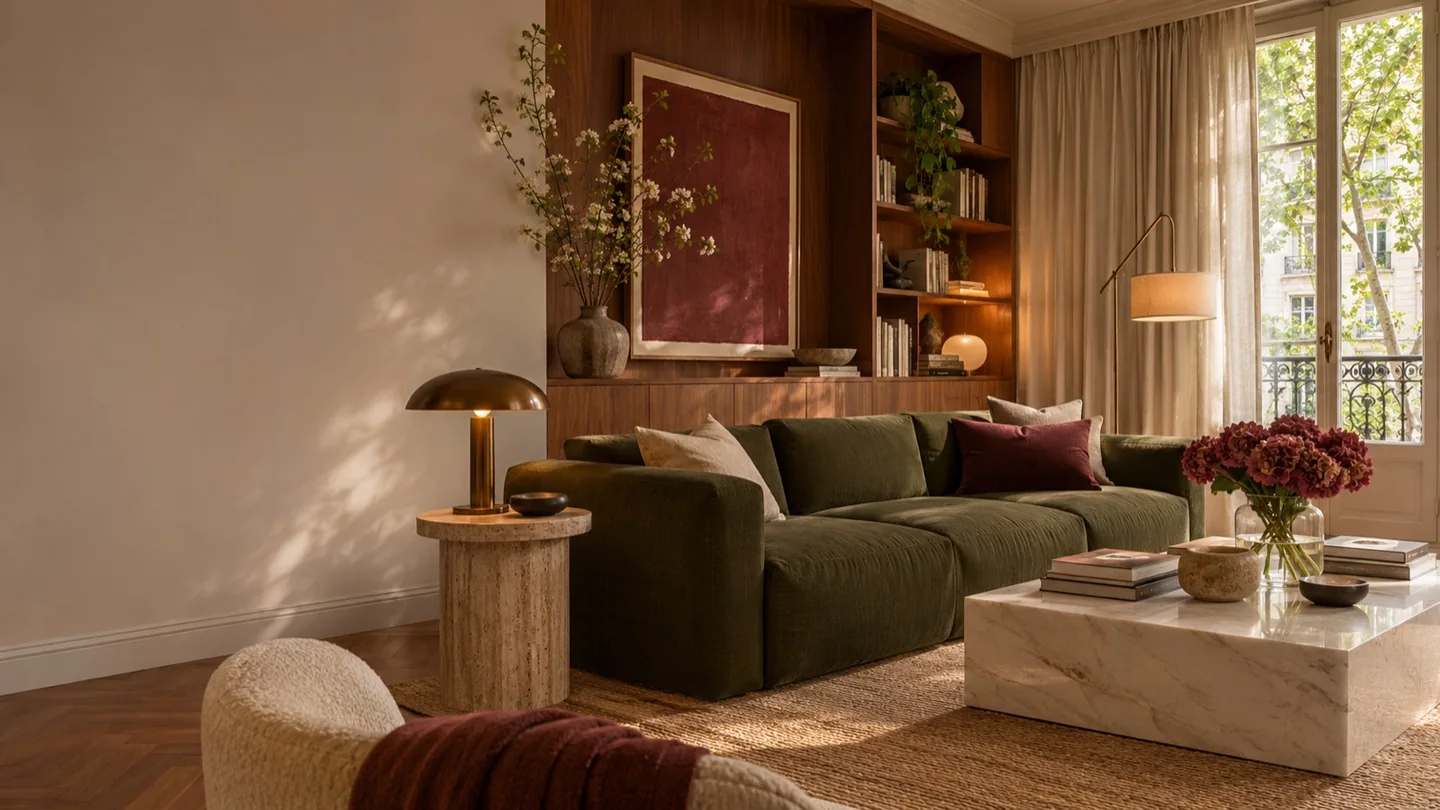
Ideas that move out with you
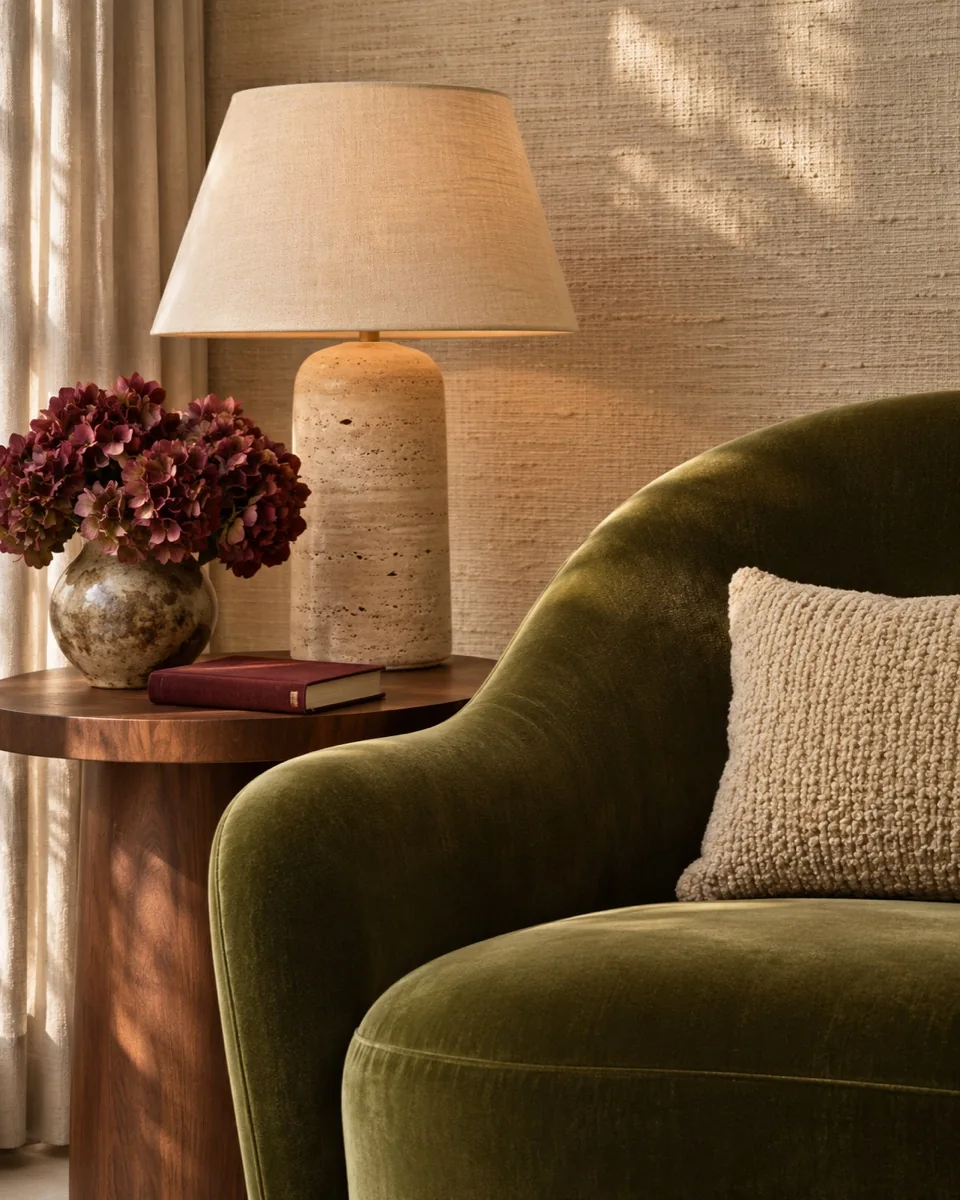
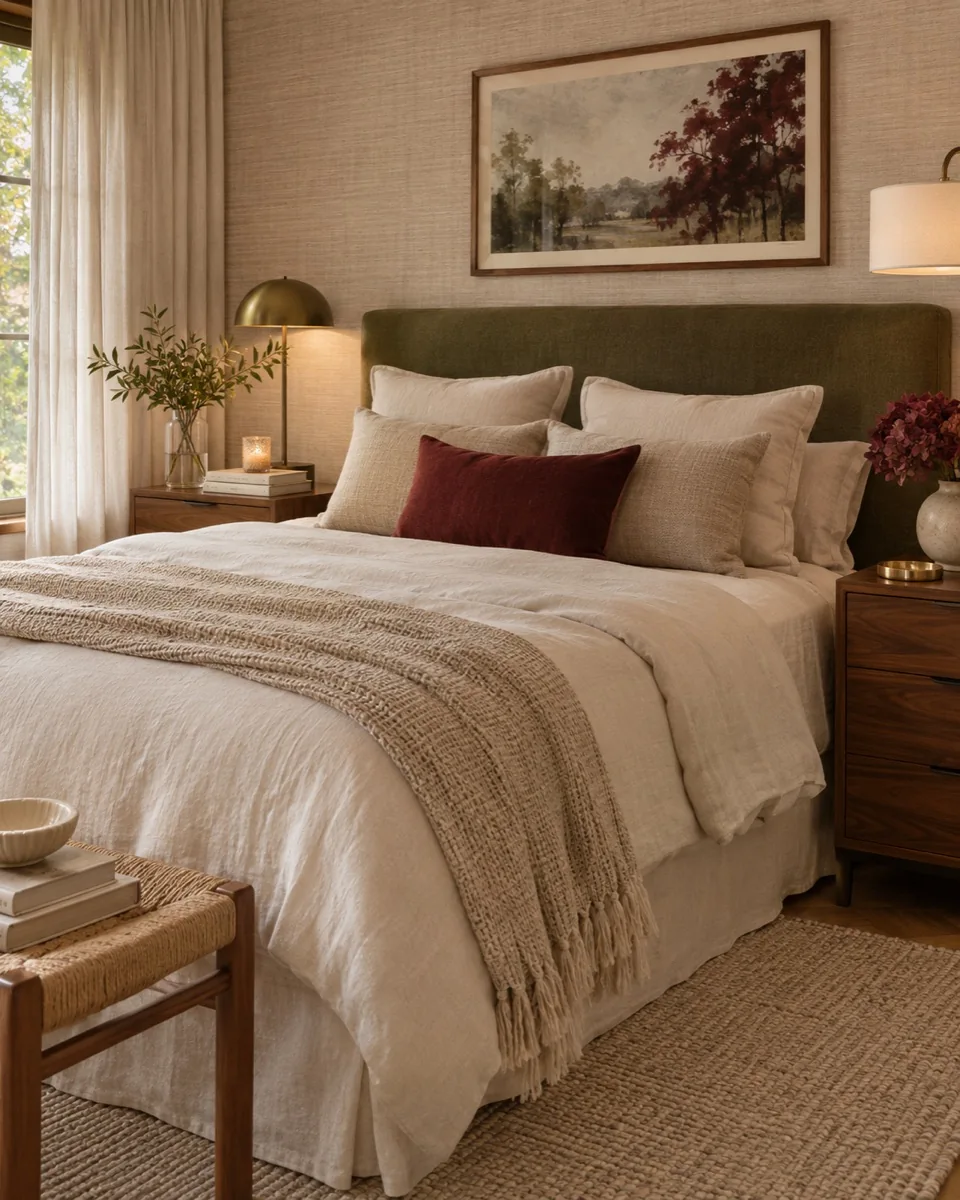
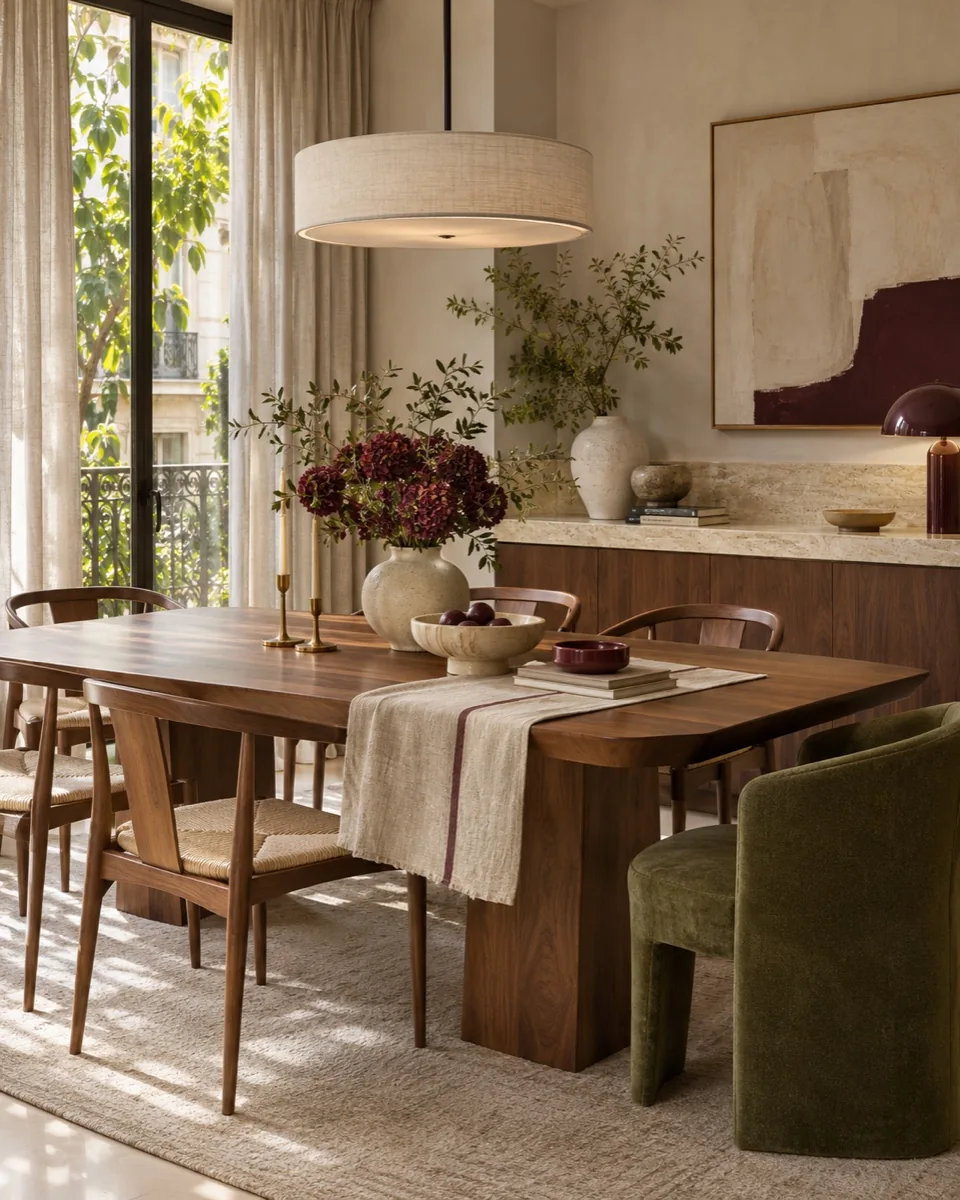
Renting doesn’t have to mean living somewhere that doesn’t feel like yours. Most of what makes a room look and feel good (lighting, textiles, layout, plants, order) needs no renovation and no permission. This guide covers what is usually allowed, what’s worth checking and how to build a plan in stages, so that what you buy today also works in your next apartment.
This is general decorating guidance, not legal advice. Your lease and your landlord decide what you can change.
What you can do and what to check first
Every lease is different, and this guide doesn’t replace reading yours: review it and, if in doubt, ask your landlord or a legal professional. As a general guide, anything you can do without leaving a trace usually lands on the “free” side, and anything that alters the apartment (even a little) lands on the “ask first” side:
| Almost always fine | Better to ask first |
|---|---|
| Rugs, curtains, pillows, throws | Painting walls or doors |
| Floor and table lamps | Drilling holes with wall anchors |
| Your own furniture, rearranging what’s there | Replacing light fixtures or faucets |
| Plants, pots, art leaned on a surface | Removing or swapping furniture that came with the unit |
| Organizing and adding storage | Wallpaper with permanent adhesive |
A practical tip: even if your lease doesn’t require it, send a message about what you plan to do and keep the reply. It prevents misunderstandings when you move out.
Priorities by budget
It doesn’t matter how much you have to spend: the order is the same. First what changes daily life the most, then what beautifies.
- Declutter and clear. Free, and it changes the most. Remove what you don’t use and group what’s left.
- Lighting. Warm bulbs and at least two or three low light sources (floor lamps, table lamps or plug-in sconces).
- Large textiles. A rug, curtains, a coverlet or a throw for the sofa.
- One star wall. With removable wallpaper, art or a large mirror leaned against it.
- Plants and objects. Last, once you know what’s missing.
For a fuller version of this logic, see our guide to how to decorate on a budget.
Removable fixes that work
Lighting without installation
Rentals often come with one harsh overhead light and nothing else. Three changes that need no work: a floor lamp by the corner of the sofa, table lamps on a shelf or nightstand and warm-white bulbs (around 2700 K) in all of them. There are also plug-in wall sconces, and you can tidy cords with adhesive cord channels that peel off when you leave. If your ceiling has a simple socket, a shade that hangs from the cord without touching the wiring can be an option, but confirm with your landlord first.
Curtains
A long curtain changes how tall a room looks. Hang it as close to the ceiling as you can and let it reach the floor. Tension rods and suction-mounted rods avoid drilling; for heavy fabrics, look for rods that rest on the window frame without screws, or ask whether you can use the existing holes.
Peel-and-stick wallpaper and wall coverings
Removable wallpaper is a very popular solution, but it isn’t magic:
- Test a hidden piece and wait a few days before peeling it off.
- Choose smooth, dry, clean walls; on damp walls or old paint it doesn’t stick well.
- On smaller surfaces (the front of a dresser, a closet, kitchen cabinet doors) the risk is lower.
If you’d like help choosing the right pattern and surface, there’s our wallpaper and wall coverings service.
Rugs
A large rug is probably the best removable investment: it defines zones, covers flooring you don’t like and adds warmth. Make it big enough that the front legs of the sofa and armchairs sit on it. A rug pad underneath prevents wrinkles and protects the floor.
Art, mirrors and shelves
Lean large pieces on a dresser or straight on the floor, overlapping: it’s a look in its own right and needs no holes. Mirrors leaned against a wall spread the light and add depth. For lightweight frames, removable adhesive strips solve a lot, as long as you respect the weight limit on the package.
Plants
They add life and texture with almost no work. If you don’t get direct light, pick hardy indoor species. Group them at different heights on stools, shelves or hanging pots on a curtain rod.
Furniture
Think about pieces that adapt to different layouts: modular shelving, lightweight tables, medium-sized sofas. Rearranging what you already own (turning the sofa, moving the table) counts as decorating too.
One simple rule: what moves with you
Before you buy, ask yourself: will I take this with me when I leave? If yes, it’s an investment; if not, it should be cheap or truly necessary. That way your money turns into a home you can set up anywhere.
When it’s worth asking for help
If you’re not sure how to combine what you have, what to prioritize or how to organize a tricky room, an online interior design consultation gives you a plan built around your measurements, your lease and your budget. If color is your sticking point, there’s also a color consultation, and for layout and choosing furniture, the furniture and layout service.
How to do it, step by step
Before you start
- Read your lease. Look for what it says about alterations, paint, holes and the condition you have to leave the place in.
- Photograph the starting condition. Walls, floors, doors and windows. The photos help when you hand back the keys.
- Ask in writing for anything you want to change. A message with your landlord's reply is often enough to have on record.
First week
- Fix the lighting. A floor lamp, table lamps and warm bulbs: it's the change you notice most for the least effort.
- Add large textiles. A rug, curtains and a big throw pull the room together and cover what you don't like about the floor or the windows.
Later
- Treat just one wall. Pick the one you see most and use removable peel-and-stick wallpaper or a gallery of leaned art.
- Rearrange and add storage. A well-placed piece of furniture and a clear shelf open up a room far more than any decorative object.
What you need to get started
- A floor lamp and one or two table lamps, with warm-white bulbs
- A rug big enough for at least the front legs of your furniture to sit on it
- Curtains wider and longer than the window, on a tension rod or an adhesive rod
- Removable double-sided tape or adhesive hooks for lightweight frames
- Easy-care houseplants
- Removable peel-and-stick wallpaper (only if your lease and the condition of the wall allow it)
Common mistakes
- Painting or drilling without permission. It can mean deductions from your security deposit or repainting when you leave. Get approval first.
- Buying furniture made to fit your current apartment. Your next place will be different: choose pieces that adapt to different spaces.
- Spending on objects first. Without lighting, textiles and a good layout, objects aren't enough.
- Sticking any tape on any wall. Some older paint and wallpaper peels off with the adhesive: test in a hidden corner.