Studio Apartment Decorating Ideas, Renter-Friendly
Studio apartment decorating ideas that need no renovation: zone sleeping and living areas, plan storage, keep one palette and decorate if you rent.
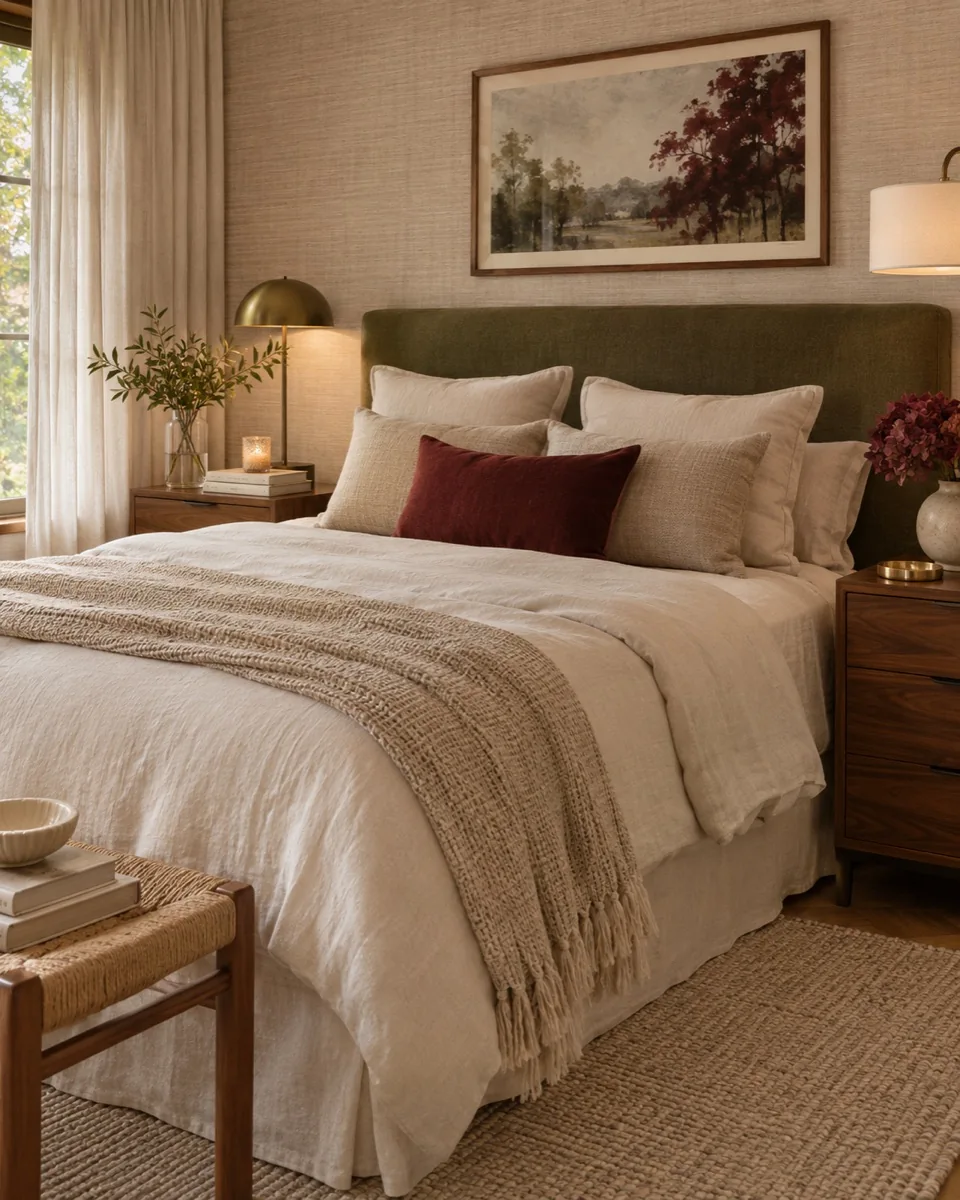
A studio has to handle in one room what other homes spread across four or five: sleeping, lounging, eating, often working, and storing everything. That makes it a decorating challenge, but also an opportunity. When a studio is well planned, it feels comfortable, orderly and full of personality. And almost all of it can be done without renovating, which matters if you rent.
This guide walks through the decisions that count most, in the order that usually makes sense.
Start with what happens in each zone
Before thinking about style, list the activities that take place in your studio and how much time you spend on each. For example: sleeping, working or studying, cooking, eating, hosting, watching shows, storing clothes. Then mark which are daily and which are occasional.
That list tells you where the space should go. If you work from home every day, your desk needs good natural light and a stable spot. If you host dinner once a month, a drop-leaf or extendable table is enough.
Divide without walls
Three tools do most of the zoning work.
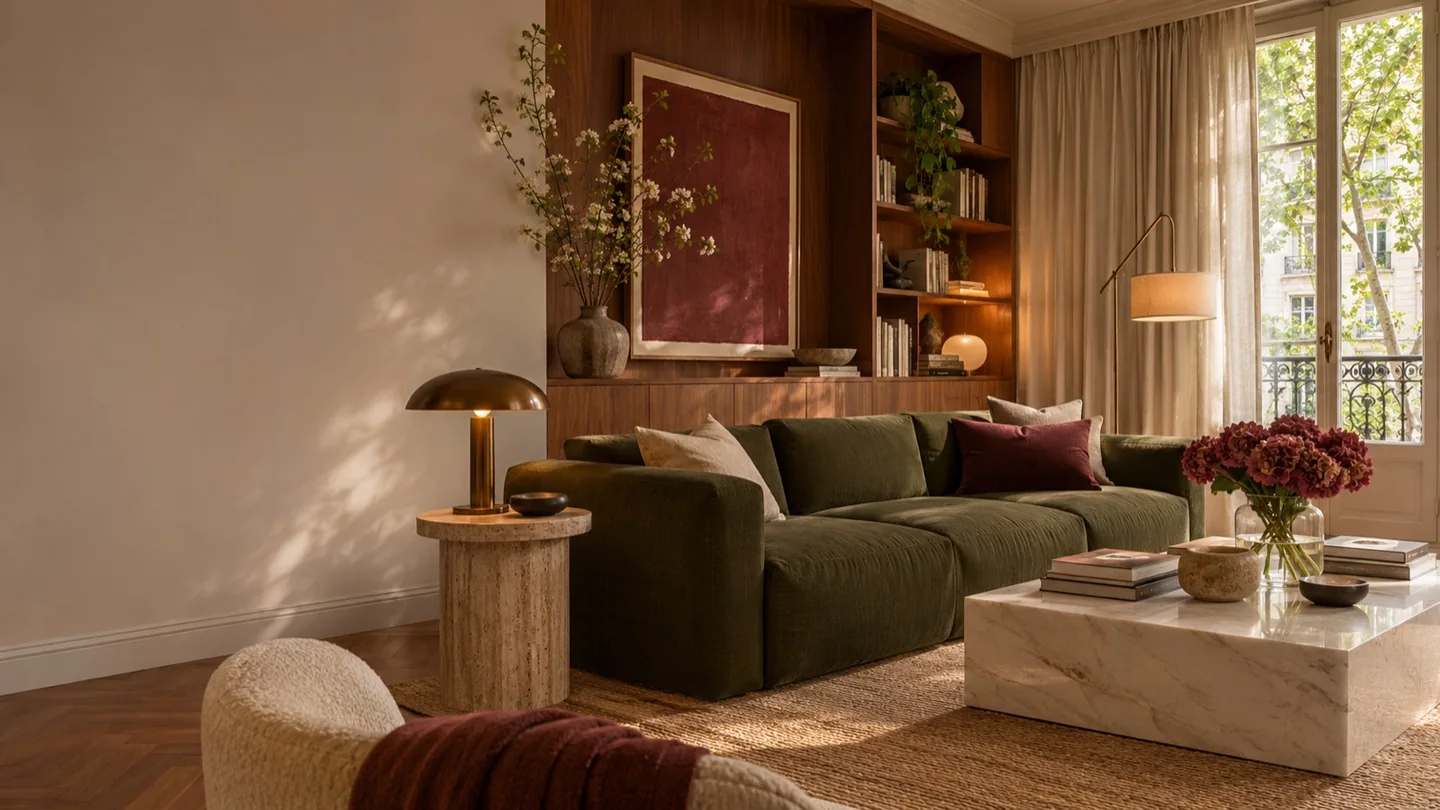
Furniture as a divider. A low, open bookshelf or console behind the sofa creates a soft boundary between the sleeping and living areas without blocking light. Keep it below eye level when you can, so the room still reads as one space. Choose open backs or shelves that let light pass through.
Rugs and lighting. A rug under the sofa and a different one (or none) under the bed tells the eye where each zone begins and ends. Give each zone its own light: a reading lamp by the bed, a floor lamp by the sofa, a desk lamp at the work corner. Light is one of the most effective, and cheapest, ways to separate areas.
Curtains. A lightweight curtain on a ceiling-mounted track or a tension rod can hide the sleeping area when guests come over. It is also easily removed if you rent.
Place the bed with intention
The bed is the largest piece in a studio and the one that most affects how the rest of the room feels. Common solutions:
- In a corner or alcove. Makes the sleeping area feel nested and frees the center of the room. A headboard or a wall shelf above the bed adds a sense of enclosure.
- Perpendicular to a wall, with a shelf or console at the foot. Works as a divider and adds storage.
- A sofa bed or daybed. If you host often or the room is very small, a convertible piece can keep the space flexible. Look for a model you’d be happy to sit on every day, not just on guest nights.
Whatever you choose, leave comfortable walking space around the bed, about 24 to 30 inches (60 to 75 cm) at the sides where you can.
Plan storage first, decorate second
In a studio, clutter is the fastest way to make a room feel smaller. Think about storage early:
- Go vertical. Tall bookcases, wall shelves and hooks use height that otherwise goes to waste.
- Use under-bed space. Low bins or rolling drawers hold off-season clothes and linens.
- Choose furniture with a second job. An ottoman with a lid, a bench with storage, a bed frame with drawers.
- Make the closet work harder. Double hanging rods, shelf dividers and hanging organizers can add a lot of capacity. If the closet is small, a freestanding wardrobe or rack can help, ideally one that matches the rest of the palette.
- Hide what you can. Closed storage looks calmer than open shelving filled with everyday items.
Keep one palette across the whole room
In a studio you see everything at once, so too many colors and patterns become visual noise. Choose a base (walls, big furniture), one or two secondary colors (rugs, curtains, bedding) and a small number of accents. Repeating the same few colors across zones makes the room read as one thoughtful space instead of several unrelated corners. For more on how to build a palette, see our guide to paint colors for a living room, which applies just as well to a studio.
Choose light, multi-purpose furniture
Look for pieces that are visually light and flexible:
- A sofa with slim arms and visible legs instead of a bulky sectional.
- A round or drop-leaf table that works as a desk, dining spot or both.
- Nesting tables or a lightweight coffee table you can move.
- Stackable or folding chairs that disappear when not in use.
Measure everything, including stairwells, elevators and door frames, before you buy. A piece that doesn’t fit through the door is the most expensive mistake in a small apartment.
Create a real work corner
If you work from home, aim for a dedicated spot, even if it is just a small desk. Place it near a window when possible, and position it so you are not looking at the bed during the day. A shelf, a plant or a screen behind the chair helps the corner feel separate. A good chair and a task light matter more than a big desk.
Decorating a studio when you rent
You can add plenty of character without touching a wall:
- Swap or layer textiles: a large rug, a throw, curtains and bedding in your palette.
- Use lamps instead of overhead lights for a warmer, layered glow.
- Lean wall art on shelves or the floor, or use removable hanging strips for lighter pieces.
- Try removable peel-and-stick wallpaper on one wall or inside a bookshelf. Test a small hidden area first.
- Bring in plants and a few meaningful objects for personality.
Always review your lease, and talk to your landlord before making any changes you aren’t sure about.
Where to start if the budget is tight
You don’t have to do everything at once. A good order is: declutter and edit, fix the lighting, add a rug and textiles, then replace or add the pieces you use every day, like the bed, sofa or desk. Decorative objects come last. If you’d like a plan tailored to your layout, our small apartment and studio decorating service works through exactly these decisions by video call, and you can read more about how to decorate a small living room for ideas that carry over.